Wind Shear Explained: What Pilots Need to Know
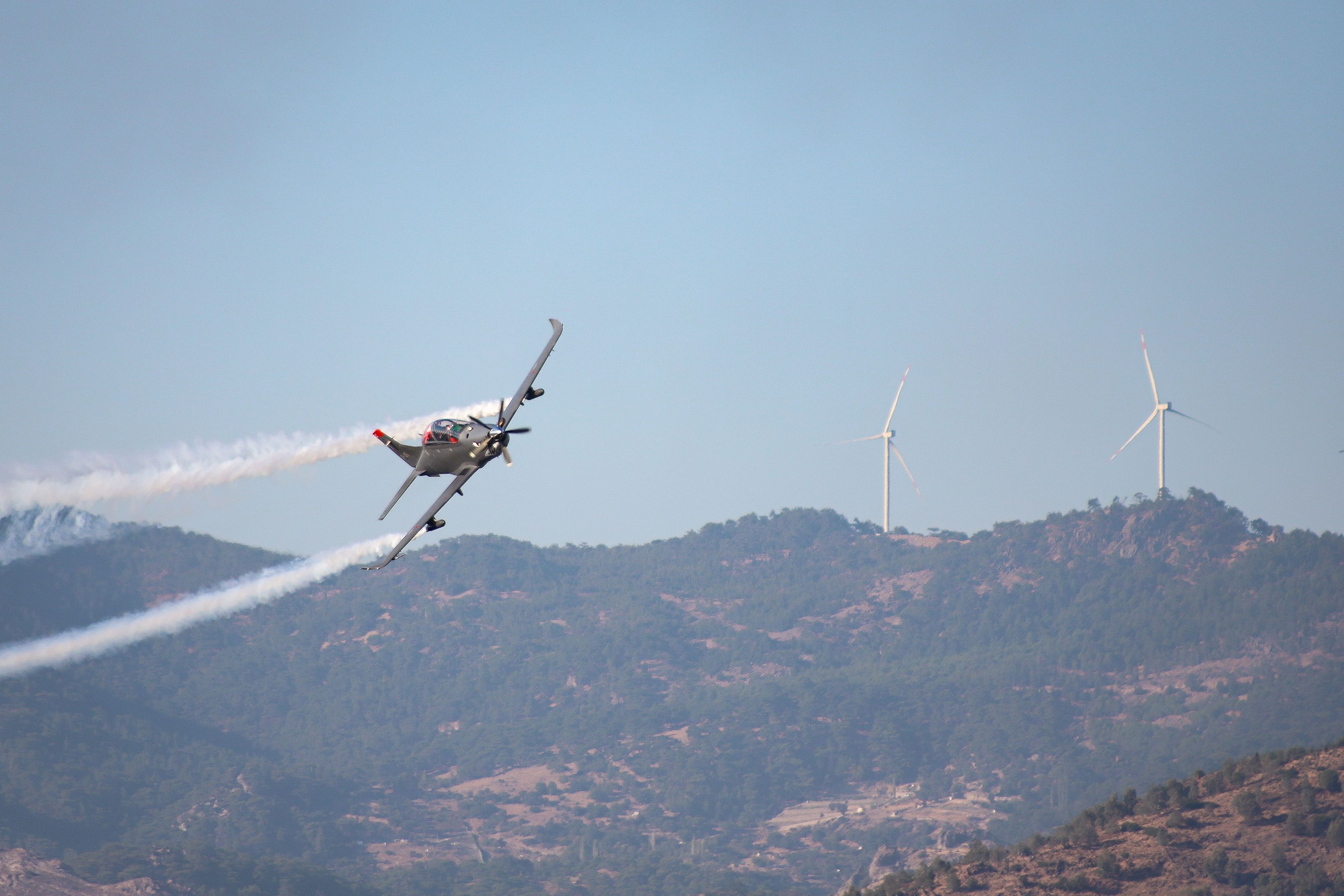
Wind is constantly changing in the atmosphere. But when its speed or direction changes significantly over a short distance, pilots can encounter a condition known as wind shear.
Wind shear can affect an aircraft at any altitude, but it becomes particularly important close to the ground, where pilots have less altitude and time available to respond to sudden changes in aircraft performance.
For student pilots, understanding wind shear means learning to recognize the weather conditions that can produce it, understanding how it affects an aircraft, and knowing why avoidance and good decision-making are so important.
What Is Wind Shear?
Wind shear is a change in wind speed, wind direction, or both over a relatively short distance. That change can occur horizontally, vertically, or as a combination of the two.
An aircraft flying from one air mass into another can therefore experience a sudden change in the wind acting on it. Depending on the direction and severity of the shear, that change can affect indicated airspeed, lift, climb performance, and the aircraft's flight path.
Not every change in wind is equally hazardous. Wind shear can range from relatively minor variations to severe conditions capable of rapidly changing aircraft performance.
The greatest concern occurs when significant wind shear is encountered at low altitude, particularly during takeoff, approach, and landing. The FAA defines Low Level Wind Shear as a wind shear of 10 knots or more per 100 feet in a layer more than 200 foot thick within 2000 foot of the surface.
What Causes Wind Shear?
Wind shear can develop in several different weather and environmental situations.
Common sources include:
Thunderstorms and convective weather
Microbursts and downdrafts
Gust fronts
Frontal systems
Temperature inversions
Strong surface winds interacting with terrain or obstacles (surface friction)
The intensity and effects vary depending on the atmospheric conditions and the aircraft's position relative to the shear.
For pilots, thunderstorms and microbursts deserve particular attention because they can produce severe changes in wind over a very short distance.
What Is a Microburst?
A microburst is a small-scale, intense downdraft that descends from a convective cloud and spreads outward when it reaches the surface. This outward-moving air creates both vertical and horizontal wind shear. An aircraft passing through a microburst may experience several rapidly changing conditions.
Imagine an aircraft approaching a microburst. As it enters the outflow on one side, it may initially encounter an increasing headwind. That can cause indicated airspeed and thus aircraft performance to increase. The aircraft then moves toward the center of the microburst, where it can encounter a strong downdraft, potentially exceeding a 6000' per minute descent rate. As it continues through the other side, the wind may transition into an increasing tailwind, reducing indicated airspeed and performance, making it difficult or impossible for the aircraft to recover from the descent it has been placed in. That sequence -- headwind, downdraft, then tailwind -- can happen quickly.
The initial increase in performance can also be misleading. A sudden airspeed increase near convective weather should not automatically be interpreted as a favorable change because it may precede a significant loss of airspeed as the aircraft continues through the shear. Not always, in fact very rarely, is it associated with a microburst, but convection typically has "downs" shortly after "ups".
Why Is Low-Level Wind Shear So Dangerous?
Altitude provides pilots with time and space to respond to changing conditions. During takeoff and landing, that margin is much smaller.
An aircraft experiencing a sudden loss of airspeed or a strong downdraft at several thousand feet has considerably more altitude available than an aircraft encountering the same conditions shortly after takeoff or on final approach.
Low-level wind shear mostly effects indicated airspeed, which in turn will affect the following:
Lift
Rate of climb or descent
Aircraft pitch
Flight path
Required power
These effects can occur while the aircraft is already operating relatively close to the ground and at lower airspeeds. That combination is what makes significant wind shear near an airport particularly hazardous.
How Does Wind Shear Affect Aircraft Performance?
The effect depends on the direction of the wind change.
Increasing Headwind
When an aircraft encounters an increasing headwind, indicated airspeed typically increases, which in turn initially increases aircraft performance and lift. However, an increasing headwind can be part of a larger wind-shear event. In many cases, that increase will be followed by a downdraft and a transition to a tailwind.
Increasing Tailwind
An increasing tailwind, or decreasing headwind, can reduce indicated airspeed. That decrease can reduce the aircraft's performance capability and affect its flight path.
At low altitude, a rapid loss of airspeed can become especially serious because there may be limited time and altitude available to respond. If you look at the lift equation, you will see that lift is a square of velocity (of course, with other factors involved). As a result, a 20% decrease in airspeed will decrease your lift by 40%.
Vertical Wind
Wind shear isn't limited to horizontal changes. Microbursts can contain powerful downdrafts and rapidly changing vertical air currents. These can alter an aircraft's flight path and produce changes in pitch or angle of attack even without corresponding pilot input.
When horizontal and vertical changes occur together, the effects can become particularly challenging.
How Can Pilots Recognize Wind Shear?
There isn't always one obvious visual indication that wind shear is present. Instead, pilots learn to consider several sources of information.
Weather Conditions
Thunderstorms, convective activity, gust fronts, virga, and rapidly changing winds can indicate an environment where significant wind shear may occur. Pilots should evaluate the complete weather picture rather than look at a single observation.
Pilot Reports
Reports from other pilots can provide valuable information about conditions that were recently encountered. A wind-shear report from an aircraft operating along the same arrival or departure path deserves serious attention because conditions may not be obvious from the cockpit.
Air Traffic Control Alerts
Some airports have ground-based systems designed to detect hazardous low-level wind shear and microburst activity.
Systems such as the Low Level Wind Shear Alert System (LLWAS) and Terminal Doppler Weather Radar (TDWR) can provide information to air traffic controllers, who relay relevant alerts to pilots.
These systems add another source of situational awareness, but they don't replace a pilot's responsibility to evaluate weather and make appropriate decisions. On top of this, most airports do not have these capabilities. Unless you're flying into a Class B or a busy Class C, you'll almost never have this information.
Aircraft Indications
Depending on the aircraft and equipment, pilots may also receive onboard wind-shear warnings or observe unexpected changes in airspeed, vertical speed, or aircraft performance.
Pilots should understand the systems and procedures applicable to the aircraft they're flying. The overwhelming majority of small planes will have no warning systems other than the pilot's own instrument monitoring, senses, and intuition.
Avoidance Is the Best Defense
One of the most important lessons surrounding severe wind shear is that avoidance is preferable to attempting to fly through it.
That starts before takeoff or approach.
Pilots should review available weather information, pay attention to thunderstorm and wind-shear reports, listen to ATC alerts, and remain prepared to delay, divert, discontinue an approach, or otherwise change the plan when conditions warrant it.
A flight doesn't have to continue simply because the airplane has already departed or an approach has already begun. Recognizing a deteriorating situation early gives the pilot more options.
What If Wind Shear Is Encountered?
Specific wind-shear procedures depend on the aircraft, its equipment, and the situation.
Pilots should follow the procedures and guidance provided in the applicable Pilot's Operating Handbook (POH), Aircraft Flight Manual (AFM), training materials, and operating procedures.
Wind shear can produce rapidly changing aerodynamic conditions, and a generic technique shouldn't replace aircraft-specific training and procedures.
For student pilots, the larger lesson is to recognize the hazard, understand the performance effects, and learn the appropriate response through qualified flight instruction.
Wind Shear and Aeronautical Decision-Making
Wind shear is also a lesson in aeronautical decision-making.
Weather conditions don't need to make a flight impossible before they deserve attention.
A pilot preparing for departure might see nearby thunderstorms developing. Another aircraft might report a significant airspeed change on final. ATC might issue a wind-shear or microburst alert.
Each piece of information contributes to the decision.
Good pilots learn to continually ask: What are the conditions doing? Are they getting better or worse? What are other pilots reporting? What options do I have if conditions change? And is starting this flight or continuing this flight as planned still the right decision?
Usually the safest flying decision is deciding not to fly through the hazard at all. It's important to remember that (fuel permitting) it's never too late to taxi back to the hangar, turn around and go home, or divert to another field.
Why Student Pilots Need to Understand Wind Shear
Wind shear connects weather knowledge directly to aircraft performance and decision-making.
Students learn not only how wind behaves, but also how changing wind can affect the aircraft during critical phases of flight.
Understanding wind shear reinforces several important habits:
Paying attention to changing weather.
Understanding how wind affects aircraft performance.
Using all available weather information.
Listening carefully to pilot reports and ATC alerts.
Knowing the procedures for the aircraft you're flying.
Being willing to change the plan when conditions warrant it.
Those habits extend far beyond wind shear. They're part of developing the judgment pilots use throughout their aviation careers.
Learn to Make Weather Part of Every Flight Decision
Learning weather isn't simply about passing a knowledge test. Pilots need to understand how atmospheric conditions affect the aircraft they're flying and how those conditions influence real-world decisions before and during a flight.
At Flight College, students develop weather knowledge alongside aircraft control, flight planning, aeronautical decision-making, and practical flight experience.
If you're considering a career in aviation, explore the Flight College Career Pilot Program or schedule a call with our team to learn more about the training path.
Sources
Federal Aviation Administration — Aviation Weather Handbook, Wind Shear and Microbursts
Federal Aviation Administration — Pilot's Handbook of Aeronautical Knowledge, Weather Theory and Aviation Weather Services
Federal Aviation Administration — Aeronautical Information Manual, Low-Level Wind Shear and Microbursts
Federal Aviation Administration — Terminal Doppler Weather Radar (TDWR)
Federal Aviation Administration — Wind Shear Detection Services